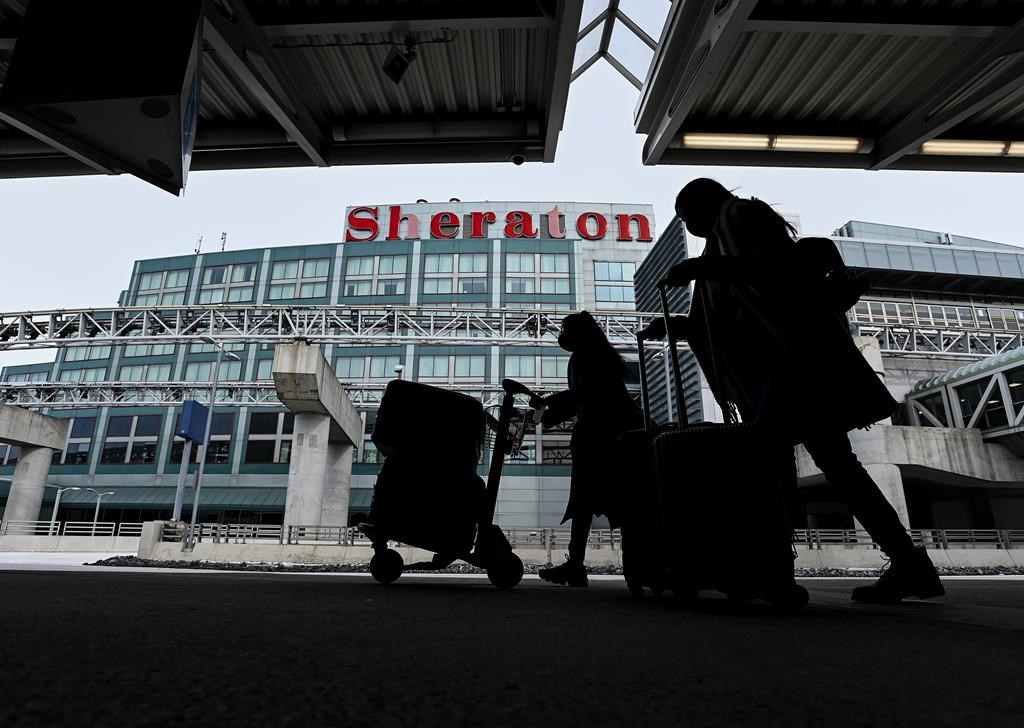
Requiring proof of vaccination against COVID-19 could be the next point of contention between Canada and the United States.
A new online Leger poll suggests a deep divide among both Canadians and Americans when it comes to the idea of vaccine “passports.”
The poll was conducted last month for the Association for Canadian Studies and the Canadian Institute for Health Research at the University of Manitoba.
It found 52 per cent of Canadian respondents supported showing proof of vaccination, compared with 43 per cent of Americans.
Among U.S. respondents, 36 per cent opposed the idea, compared with 33 per cent of Canadians surveyed.
Online surveys cannot be assigned a margin of error because they do not randomly sample the population.
The White House said Tuesday it won’t impose a federal requirement, while Prime Minister Justin Trudeau has signalled willingness to consider it.
“We will continue to work with our partners in the United States and internationally to ensure that this is done properly,” Trudeau said Tuesday about how best to reopen the Canada-U.S. border.
“We have already seen the importance of proof of vaccination for international travel … in a pre-pandemic period in recent years. It will surely be important, but the details of what we are going to do about it, we are still fine-tuning.”
White House press secretary Jen Psaki was unequivocal when she ruled the idea out Tuesday _ an indication that requiring proof of vaccination would be a tough sell in a country that prizes individual liberties.
“The government is not now, nor will we be, supporting a system that requires Americans to carry a credential,” Psaki said.
The priority for the White House will be to protect the “privacy and rights” of U.S. residents “so that these systems are not used against people unfairly,” she said.
“There will be no federal vaccinations database and no federal mandate requiring everyone to obtain a single vaccination credential.”
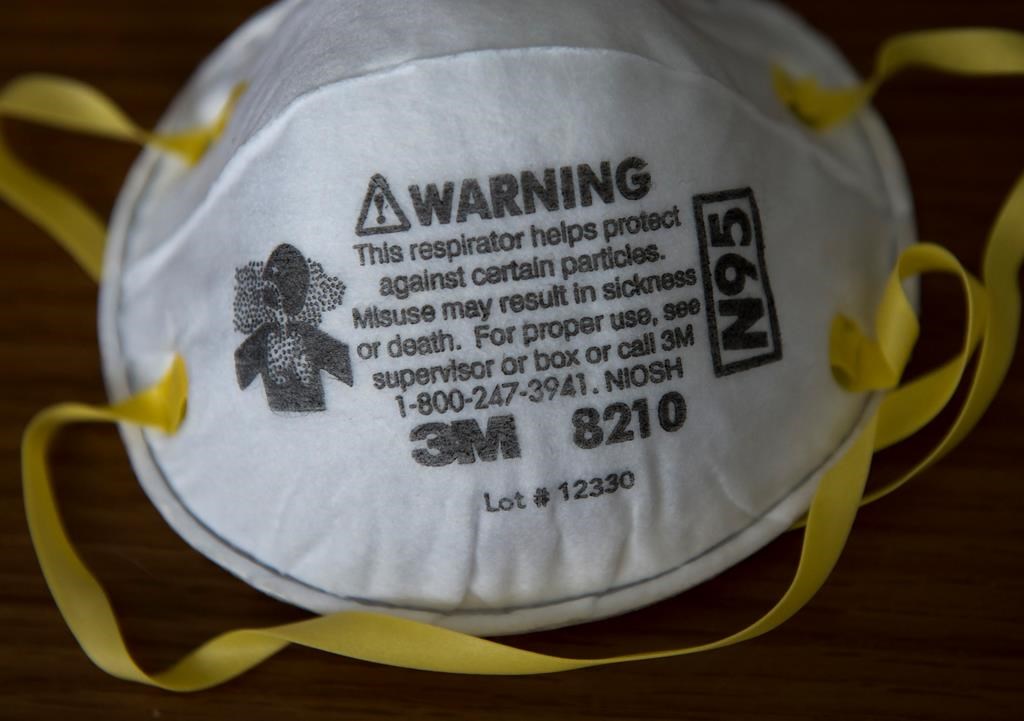
The federal and Ontario governments are hailing the first N95 masks to roll off a domestic assembly line as a step toward better pandemic protection for Canada now and into the future.
The masks are being produced by 3M Canada following a multimillion-dollar deal between Ottawa and Queen’s Park announced last August by Prime Minister Justin Trudeau and Ontario Premier Doug Ford.
The agreement saw the two levels of government kick in $23.3 million each to help 3M expand production at its plant in Brockville, about an hour south of Ottawa.
Both leaders said at the time that the deal was intended to ensure Canada was never again at the mercy of unreliable foreign suppliers of personal protective equipment.
Federal Procurement Minister Anita Anand underscored that aim during a virtual event with provincial ministers marking delivery of the first masks, which are now destined for front-line workers.
The deal will see 30 million masks delivered to the federal government and 25 million to Ontario each year for the next five years.
“Our objective in striking this deal from a federal government perspective was to make sure that we had PPE supplies in place in Canada in the short and the long term,” Anand said
“These are masks the Canadian public and front-line health-care workers need, not just for today, but in the months and years to come, given that we do not know whether another pandemic will befall this country.”
The new masks come as a third wave of COVID-19 sweeps across the country faster than Canadians get their vaccines.
Dr. Ann Collins, president of the Canadian Medical Association, says member surveys suggest doctors and other health-care professionals are continuing to face shortages of personal protective equipment.
“Clearly it’s a critical piece of kit in the battle against this virus,” Collins said in an interview.
“We have to be very thankful that we’ve got this assurance going forward, because we’re going to need these masks, it would appear for a very long time.”
Collins added that what would also be good to see is domestic production of vaccines, “particularly now with this very aggressive third wave.”
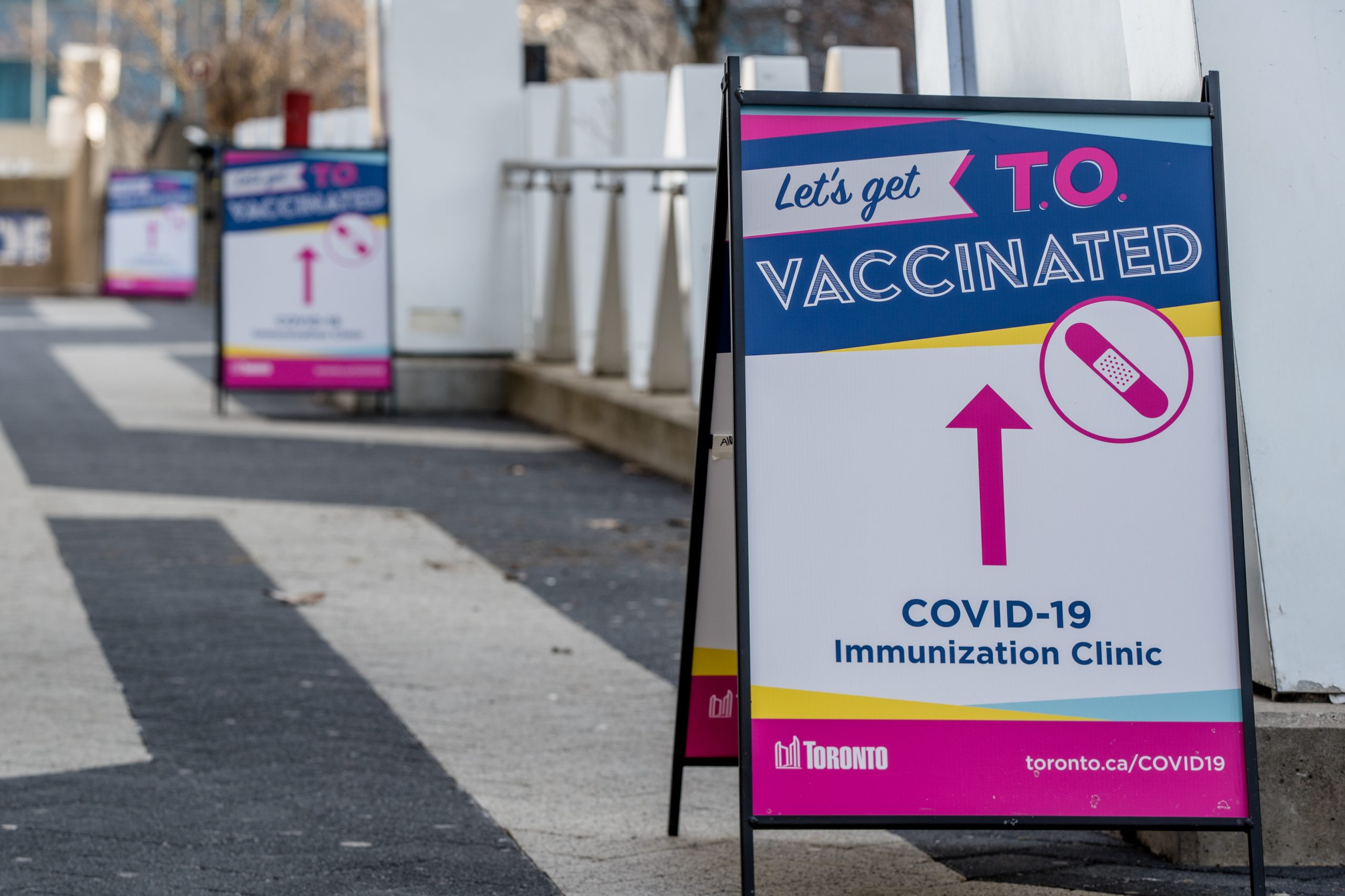
Teachers who live or work in Toronto and Peel Region’s high-risk neighbourhoods will be eligible to be receive the COVID-19 vaccination during the April break, the provincial government announced Wednesday.
WATCH: https://toronto.citynews.ca/2021/04/07/covid-19-ontario-vaccine-update-april-7/
Both Toronto and Peel closed schools this week until April 19 due to a spike in COVID-19 outbreaks.
Education workers who provide direct daily support to students with special education needs across the province will also be eligible for the vaccine.
This initiative will be expanded to York, Ottawa, Hamilton, Halton and Durham when vaccine supply increases.
“We continue to work in partnership with Ministry of Health to get these vaccines into the arms as many staff as possible,” Lecce said.
“I just want to assure every worker in the province in our schools, driving our buses and helping to protect our kids: You are going to get access to the vaccine, full stop.”
He said how people will be able to book appointments was still being worked out.
Lecce also announced additional safety measures including mandatory cleaning of schools during the spring break, offering asymptomatic COVID-19 tests at assessment centres from April 12 to 18, refresher training on safety protocols, broadening mandatory screening requirements before entering schools and encouraging outdoor education.
The province will also be organizing mobile vaccination teams and pop-up clinics to administer vaccines in hot spot neighbourhoods in Toronto and Peel Region.
These will get COVID-19 vaccines to individuals aged 18 and older in high-risk congregate settings, residential buildings, faith-based locations, and locations occupied by large employers.
Regions will be selected based on patterns of transmission, severe illness and mortality from COVID-19.
Ontario announced a provincewide stay-at-home order starting Thursday that will force most non-essential retailers to close.
Premier Doug Ford says if there is a vaccine supply, 40 per cent of Ontarian adults could be vaccinated by the end of the stay-at-home order.
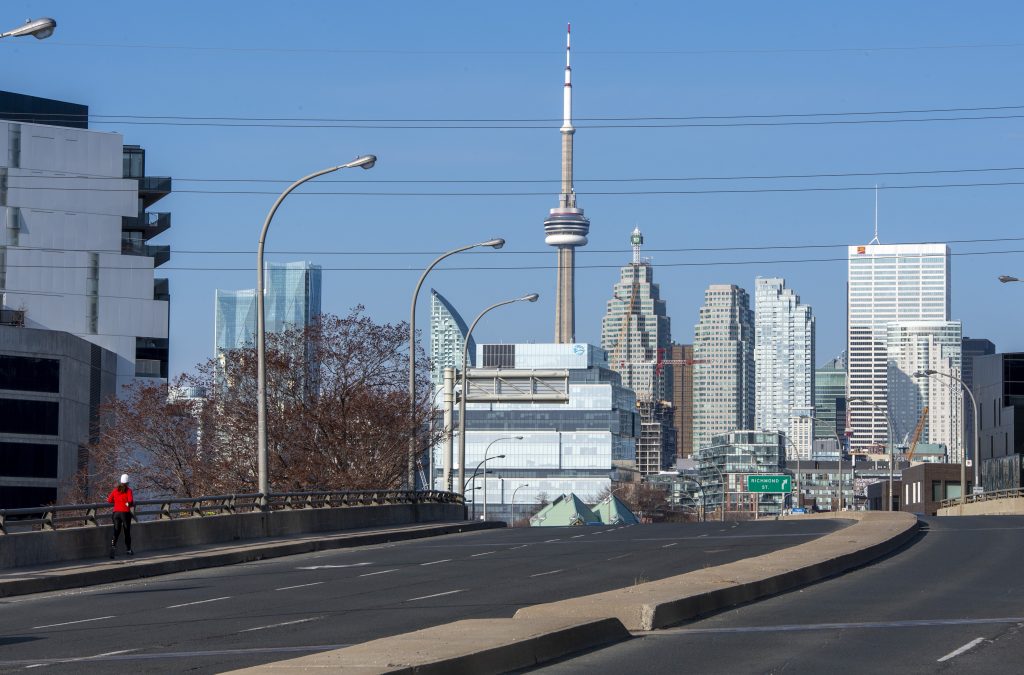
Four days after applying the ’emergency brake’, Premier Doug Ford has issued a provincewide stay-at-home order as Ontario grapples with how to get surging COVID-19 cases under control.
WATCH: https://toronto.citynews.ca/2021/04/06/ontario-announcing-provincewide-stay-at-home-order-sources/
Under the emergency stay-at-home order, non-essential retail stores will be restricted to curbside pickup between the hours of 7 a.m. and 8 p.m., while big-box stores will be restricted to sales of groceries, household cleaning supplies and pharmacy items — the first time that such a restriction has been imposed on them since the pandemic began.
Shopping malls will be closed except for curbside pick-up and delivery, via appointment, with one single designated location inside the mall, and any number of designated locations outside the mall.
Grocery stores and pharmacies will remain open under current health measures and restrictions.
Outdoor garden centres and nurseries, along with indoor greenhouses that engage in sales to the public, will be allowed to remain open with a 25 per cent capacity limit and a restriction on hours of operation.
The order will take effect at 12:01 a.m. Thursday and remain in place for four weeks.
Ontario’s previous stay-at-home order went into effect on Jan. 14 and was lifted nearly two months later on March 8.
Premier Doug Ford said a surge in COVID-19 cases fuelled by more transmissible variants of concern and a sudden rise in intensive care unit admissions prompted the new restrictions.
“These variants have taken off,” Ford told a news conference. “This is moving rapidly, every single hour-by-hour, day-by-day, and a decision last week, doesn’t represent a decision today.”
“The reality is, despite everything we’ve done so far, the COVID-19 situation in Ontario is getting worse as these new variants continue to spread and hospitals are reaching capacity.”
Ford said that by the end of the four-week period of the stay-at-home order, about 40 per cent of Ontarians – or five million people – will have received the first dose of a COVID-19 vaccine. About 2.7 million people had received at least one dose as of Wednesday.
The stay-at-home order will not affect schools, which will remain open for the time being.
In addition, during the April break, education workers who provide direct daily support to students with special education needs across the province, and all education workers living or working in high-risk neighbourhoods in Toronto and Peel, will be eligible for vaccination.
Under the stay-at-home order, the following businesses will be allowed to remain open for in-person shopping by appointment only and with a 25 per cent capacity restriction during the hours of 7 a.m. to 8 p.m.:
- Safety supply stores;
- Businesses that primarily sell, rent or repair assistive devices, aids or supplies, mobility devices, aids or supplies or medical devices, aids or supplies;
- Rental and leasing services including automobile, commercial and light industrial machinery and equipment rental;
- Optical stores that sell prescription eyewear to the public;
- Businesses that sell motor vehicles, boats and other watercraft;
- Vehicle and equipment repair and essential maintenance and vehicle and equipment rental services;
- Retail stores operated by a telecommunications provider or service, which may only permit members of the public to enter the premises to purchase a cellphone or for repairs or technical support
The province says it will also be increasing health and safety inspections and enforcement at essential businesses in regional hot zones.

All Toronto schools will close on Wednesday, with students shifting to remote learning amid a troubling spike in COVID-19 outbreaks.
WATCH: https://toronto.citynews.ca/2021/04/06/all-toronto-schools-to-close-wednesday-amid-spike-in-covid-19-outbreaks/
Classes will remain closed until at least April 19.
The announcement comes a day after both the Toronto District School Board (TDSB) and Toronto Catholic District School Board (TCDSB) announced the closure of several schools due to outbreaks.
On Monday, Peel Public Health announced that schools in Mississauga, Brampton and Caledon would close for two weeks, starting Tuesday, April 6.
Peel’s medical officer of health, Dr. Lawrence Loh, exercised the power to close schools under Section 22 of the Ontario Health Protection and Promotion Act.
“This closure is a necessary step to protect staff and students in Peel Region,” Dr. Loh said in a release. “I know this will be challenging for parents to navigate and we appreciate all the sacrifices parents continue to make as we continue to fight COVID-19 in our community.”
Toronto and Peel remain two of the virus hotspots in Ontario. Provincial health officials reported 3,065 new cases of COVID-19 on Tuesday with the majority of the infections being in Toronto (955) and Peel Region (561).
TDSB and TCDSB make up more than 30 per cent of the active cases in Ontario schools. According to the Ontario government website, there are currently 2,028 COVID-19 cases reported in the last 14 days.
York Region has said they will not be closing schools at this time because “COVID-19 transmission in schools in York Region remains low.”
WATCH: https://toronto.citynews.ca/2021/04/06/all-toronto-schools-to-close-wednesday-amid-spike-in-covid-19-outbreaks/

OTTAWA — When COVID-19 forced the closure of department stores, Mary Junne Boyco and her co-workers lost their jobs, ending more than a decade of working in the service sector.
The 35-year-old lost sleep as anxiety crept in about how to pay the bills and whether they would ever get back to work.
In the ensuing months, she went back to school to upgrade her skills. She started looking for work outside the service sector, which a year into the pandemic still has the longest way back to pre-crisis employment levels.
Boyco’s path out of the service sector is one that could be replicated through dozens of new skills training programs being unveiled through the federally backed Future Skills Centre to help workers mitigate some of the pandemic’s long-term impacts.
What COVID-19 has done is push the pedal down on shifts already underway in the economy, particularly as companies find ways to connect digitally with customers, and use technology to boost output while not adding to the bottom line.
The centre’s executive director, Pedro Barata, said the programs aim to rethink how to help workers most affected by the pandemic adapt to a shifting labour market.
Among the targeted workers for the training programs are visible minority women, Indigenous people, newcomers and youth.
“If we just stick with the current models … we’re going to leave a whole lot of people behind,” Barata said in an interview.
“That’s not good for people themselves, but it’s also not good for our economy and frankly our society.”
Barata said he expects the federal Liberal government’s April 19 budget to outline a plan for workers to upgrade their skills and keep changing alongside businesses.
As of February, the workforce was 599,100 jobs short of where it was in February of last year, or 3.1 per cent below pre-pandemic levels. Statistics Canada will provide job figures for March on Friday.
Labour and business leaders generally agree that skills training should be high on the agenda to help workers get back into the labour market, but too few have strategies to do that, Barata said.
Without a wider view of training, it may take longer for workers displaced by COVID-19 to find new jobs.
Boyco said she went back to school and did a professional certificate course in human resources, seeing it as possible career path with more security. She added that she believed upgrading her skills has made them more transferable in the workforce.
“I began seeking employment outside of the service sector, or something that could provide like a stable future career and protect me from the impact of the new outbreaks,” Boyco said. “From my point of view, that’s what I’ve been doing, and that’s what I did.”
The Toronto-based Future Skills Centre plans to fund 65 projects to the tune of $32.4 million to help workers affected by the pandemic upgrade or develop new skills. The organization is funded by the federal government’s Future Skills Program.
One of those programs is aimed at taking 120 women who are unemployed service workers in Ontario, like Boyco, and help them move to high-growth sectors like technology, finance, or health care by building new or reapplying existing skills.
The program, partially overseen by The Career Foundation, is also part of a broader discussion to see where growing industries are heading and what skills employers will need, said Evelyn Akselrod, the foundation’s vice-president of strategic development, community and corporate partnerships.
“We could get pillars, big pieces that we could then break down and look at the skill sets related to those changes,” she said.
“It’s about looking at the future and reading the trends.”
It’s also about helping people buy in to the idea of lifelong learning, she added.
The Liberals’ last budget, in 2019, outlined such a plan to give workers paid time off and a new benefit to save up for qualifying training programs.
The pandemic delayed the rollout of the benefit.
At a parliamentary committee last month, Employment Minister Carla Qualtrough said the government is taking a second look at the Canada Training Benefit and how it might have to change in light of the past 12 months.
“We’re right now working with stakeholders to understand the best way to support workers … including what the training benefit could do for broader number of Canadians,” Qualtrough said, noting it was aimed at those who had jobs and wanted time off to improve their skills.
This report by The Canadian Press was first published April 7, 2021.
Jordan Press, The Canadian Press

Ontario is set to receive approximately 3.3 million doses of the COVID-19 vaccine in April as essential workers are scheduled to get their vaccinations in mid-May.
The updated Ontario Vaccine Distribution Plan continues with the original plan laid out to vaccinate those above the age of 60, individuals with health conditions, those in high-risk communities and high risk congregate settings in April and May while people who cannot work from home including teachers and retail workers have been moved up approximately two weeks to mid-May.
As of April 7, people over 60 in all public health can begin booking their vaccine appointment.
The provincial government says they have the capacity to vaccinate 150,000 people a day, but say due to vaccine supply, they are targeting 100,000 vaccines per day.
Ontario has so far averaged 72,000 COVID-19 vaccine doses a day. Over 2.6 million doses have been administered with 18.5 per cent of Ontarians receiving at least one dose.
According to the COVID-19 Tracker Canada project, the province has 1.4 million doses that have not been given out.

Experts in the health-care sector have called on the government to prioritize essential workers who cannot work from home, and often cannot self-isolate if they contract the illness, for the shot.
ICU doctors have said many of the patients they’re treating these days are essential workers who got infected in the workplace.
The Ontario Public School Board Association said the perfect time to vaccinate teachers would be over the spring break starting on April 9 and the measure would help keep kids in classrooms, as fewer teachers would have to miss work due to COVID-19 exposure.
The president of the Elementary Teachers’ Federation of Ontario has also said that all schools in hot spot regions should move to online learning until all teachers can be vaccinated.
Premier Doug Ford did say they are working on a plan to get teachers vaccinated with the school boards and Ministry of Health. He said his priority right now is getting the elderly and vulnerable vaccinated, those in hotspot areas and then those who work in essential manufacturing.
The government also released the list of postal codes where additional doses will be allocated due to their status as a hotspot community. People over the age of 50 across of the 13 public health units are being prioritized in those areas.

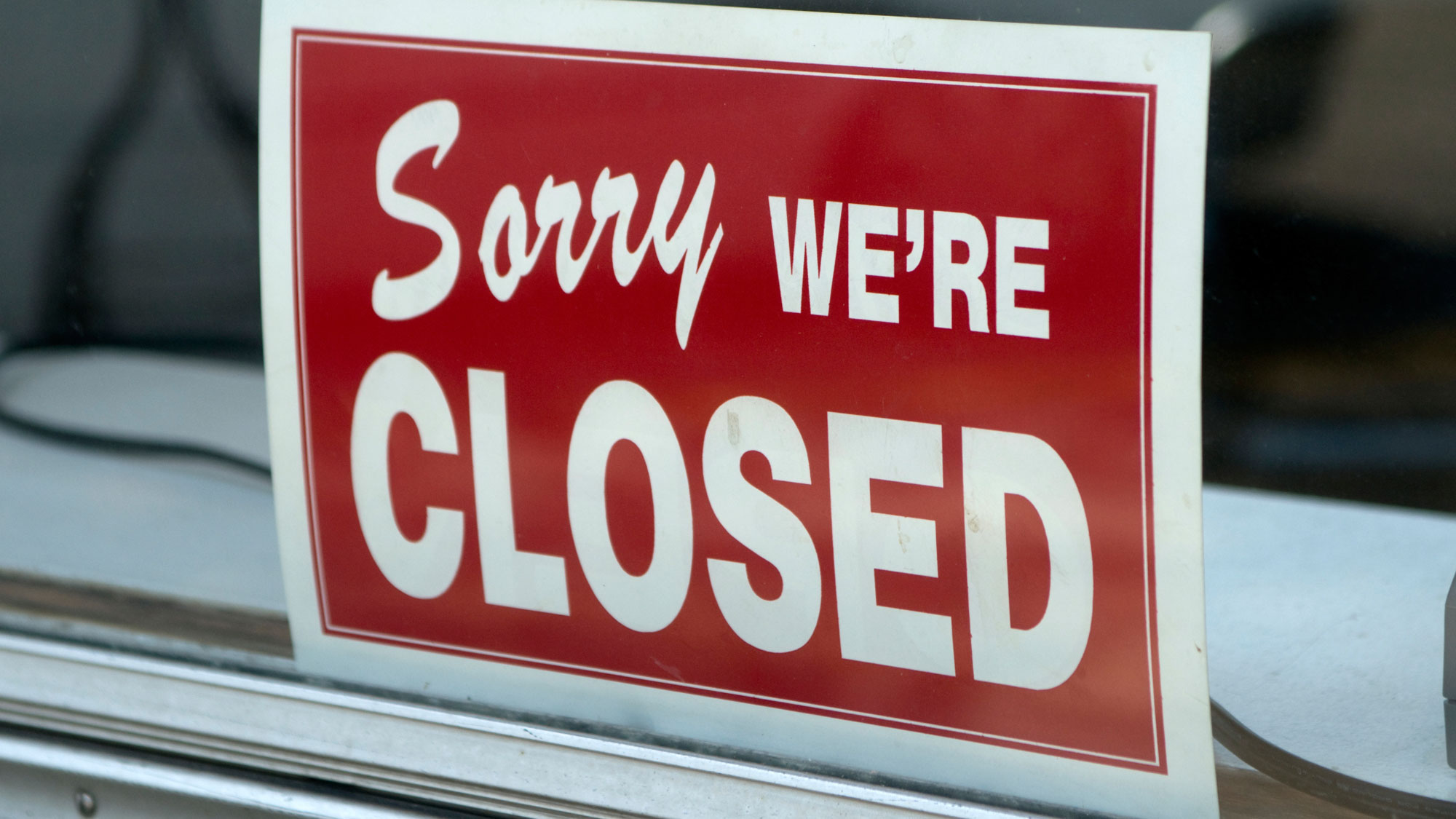
The Ford government will announce a provincewide stay-at-home order, the closure of non-essential retail and new restrictions for big box stores, sources tell 680NEWS.
In an effort to curb rising COVID-19 cases and ICU admissions, non-essential retail stores will be restricted to curbside pickup only according to two sources with knowledge of the situation.
Big-box stores meanwhile will be restricted to essential aisles only — the first time during the pandemic that such a restriction has been imposed.
The reimplementation of a stay-at-home order will be announced, which one source says could be in place for a month. Ontario’s previous stay-at-home order went into effect on Jan. 14 and was lifted nearly two months later on March 8.
The decision comes after medical officers of health in Toronto, Peel and Ottawa called on the government to ramp up public health measures, including a stay-at-home order, saying the recently imposed shutdown does not go far enough to curb the surge of COVID-19 cases in the province.
Dr. Eileen da Villa, Dr. Lawrence Loh and Dr. Vera Etches sent a letter to Dr. David Williams, the province’s top doctor on Tuesday, saying the move was “necessary to prevent and mitigate large scale morbidity and mortality and irreparable strain on the health-care system.”
Earlier Tuesday, Premier Doug Ford warned of increased restrictions in the COVID-19 hotspots of Toronto, Peel and York region. He also expressed frustration at seeing GTA malls, such as Yorkdale, flooded with people this past weekend.
“Going to the malls is not essential,” he said, despite current public health measures permitting them to remain open. “It was absolutely jam-packed and I truly was hoping that people wouldn’t be going in there at the volume that we saw.”
The new restrictions, expected to be announced Wednesday, will likely go into effect in the next 24 to 48 hours.

Toronto Mayor John Tory says the city is working on a plan to give people in high-risk workplaces the COVID-19 vaccine at their job site.
WATCH: https://toronto.citynews.ca/2021/04/05/toronto-working-on-plan-to-provide-people-in-high-risk-workplaces-with-the-covid-vaccine/
Tory says the city is currently developing the details of the plan, which will involve mobile vaccination units that are already being used in some hot spot neighbourhoods.
He says the federal and provincial governments should work together to improve the paid sick day program to help workers stay home and self-isolate.
The Ontario government has said that it will not duplicate the paid sick leave program run by the federal government.
But Tory says the rising case counts show that it is time to reconsider that approach.
Toronto’s top doctor says workers need both targeted vaccination clinics and paid sick days as protections against the virus.

Ontario and Quebec are continuing to report high numbers of new COVID-19 cases, leaving officials in both provinces scrambling to contain the spread of the virus.
Ontario today reported nearly 6,000 new COVID-19 cases over a two-day span, as Toronto Mayor John Tory announced he is working on a plan to vaccinate high-risk workplaces.
But Tory said the province needs to go further by working with the federal government to expand paid sick leave programs to help workers stay home and self-isolate.
Quebec, meanwhile, has added five municipalities south of Quebec City to a list of cities that will have to abide by strict lockdown rules.
Non-essential businesses and many cultural venues must close, schools will move to virtual learning and the overnight curfew will be advanced to 8 p.m. from 9:30 p.m. starting tonight in five parts of the Chaudiere-Appalaches region.
Health Minister Christian Dube says officials are also concerned about the Montreal area and the number of people in hospital, which is putting pressure on fragile intensive care resources.
This report by The Canadian Press was first published April 5, 2021